Understanding the Allure of Casino Games
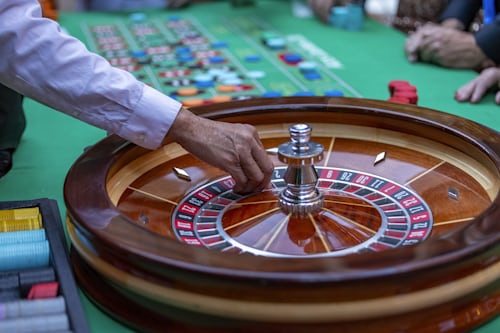
The captivating world of casino gambling often revolves around the thrill of chance, epitomized by games like roulette. The spinning wheel, with its unpredictable outcome, taps into fundamental psychological drivers that make gambling so appealing. This inherent uncertainty, coupled with the possibility of significant rewards, creates an exciting environment that attracts many seeking entertainment and potential financial gain. The visual and auditory cues associated with these games, such as the whirring of the wheel and the clatter of the ball, are designed to heighten anticipation and immersion, and it is here that one might find information on the goldenmister casino.
At its core, the appeal of casino games lies in a complex interplay of hope, risk, and reward. Players are drawn to the possibility of a life-changing win, even when the odds are stacked against them. This psychological phenomenon is often linked to intermittent reinforcement, where rewards are not given every time, making the eventual win feel even more significant and encouraging continued participation. Understanding these underlying psychological mechanisms is crucial for anyone engaging with casino environments.
Cognitive Biases in Gambling Decisions
When faced with the spinning wheel and the prospect of placing bets, players are susceptible to a range of cognitive biases. The “gambler’s fallacy,” for instance, is the mistaken belief that if something happens more frequently than normal during a given period, it will happen less frequently in the future, or vice versa. This can lead to irrational betting patterns, such as betting on red after a string of black outcomes in roulette, despite each spin being an independent event. Awareness of these biases is the first step towards making more informed decisions.
Another common bias is “near miss” perception, where a close call to winning is interpreted as a sign of impending victory. This can create a false sense of progress and encourage players to continue betting. Similarly, “confirmation bias” might lead players to focus on their wins while downplaying or forgetting their losses, reinforcing their belief in their own strategies. Recognizing these mental shortcuts can help individuals maintain a more objective perspective on their gambling activities.
Strategies for Managing Bets and Expectations
Effective bankroll management is paramount for anyone engaging in casino gambling. This involves setting a strict budget for how much one is willing to spend and sticking to it, regardless of wins or losses. Dividing this budget into smaller amounts for individual gaming sessions can further help in controlling expenditure. It’s also essential to set win and loss limits; knowing when to walk away, whether you’ve hit your target profit or reached your predetermined loss threshold, is a sign of responsible gambling.
Developing a disciplined approach extends beyond just financial limits. It involves managing expectations and understanding the inherent probabilities of casino games. Instead of chasing losses or becoming overly attached to a particular outcome, players should focus on the entertainment value of the experience. Adopting a strategic mindset that prioritizes responsible play over unrealistic expectations can lead to a more positive and sustainable engagement with casino entertainment.
The Role of Psychological Triggers in Gameplay
Casino environments are meticulously designed to trigger psychological responses that encourage extended play. The ambient music, lighting, and even the layout of the gaming floor are all crafted to create an atmosphere of excitement and distraction, making it easier for players to lose track of time and money. The flashing lights and celebratory sounds associated with wins, whether personal or by others, can amplify the feeling of anticipation and the desire to participate.
The social aspect of casinos also plays a significant role. Playing alongside others, witnessing their excitement, and engaging in friendly competition can further enhance the allure. For games like roulette, the shared experience of waiting for the ball to land can be a powerful bonding element. Understanding these carefully orchestrated triggers is vital for players to maintain control over their actions and avoid succumbing to impulsive decisions that can arise from such an stimulating environment.
Golden Mister CAS: A Hub for Responsible Gaming Information
For individuals seeking to understand the psychological aspects of gambling and develop strategies for controlled play, resources like Golden Mister CAS are invaluable. This platform likely offers insights into the behavioural patterns associated with casino games, helping visitors to recognize potential pitfalls and cultivate healthier gambling habits. By providing information on cognitive biases and responsible betting practices, Golden Mister CAS aims to empower its audience.
The organization’s focus on providing accessible information underscores a commitment to promoting awareness and supporting responsible engagement with casino entertainment. Whether it’s through educational content about game psychology or guidance on setting personal limits, Golden Mister CAS serves as a valuable point of reference for those navigating the complexities of the gambling world, ensuring a more informed and controlled experience for its visitors.